
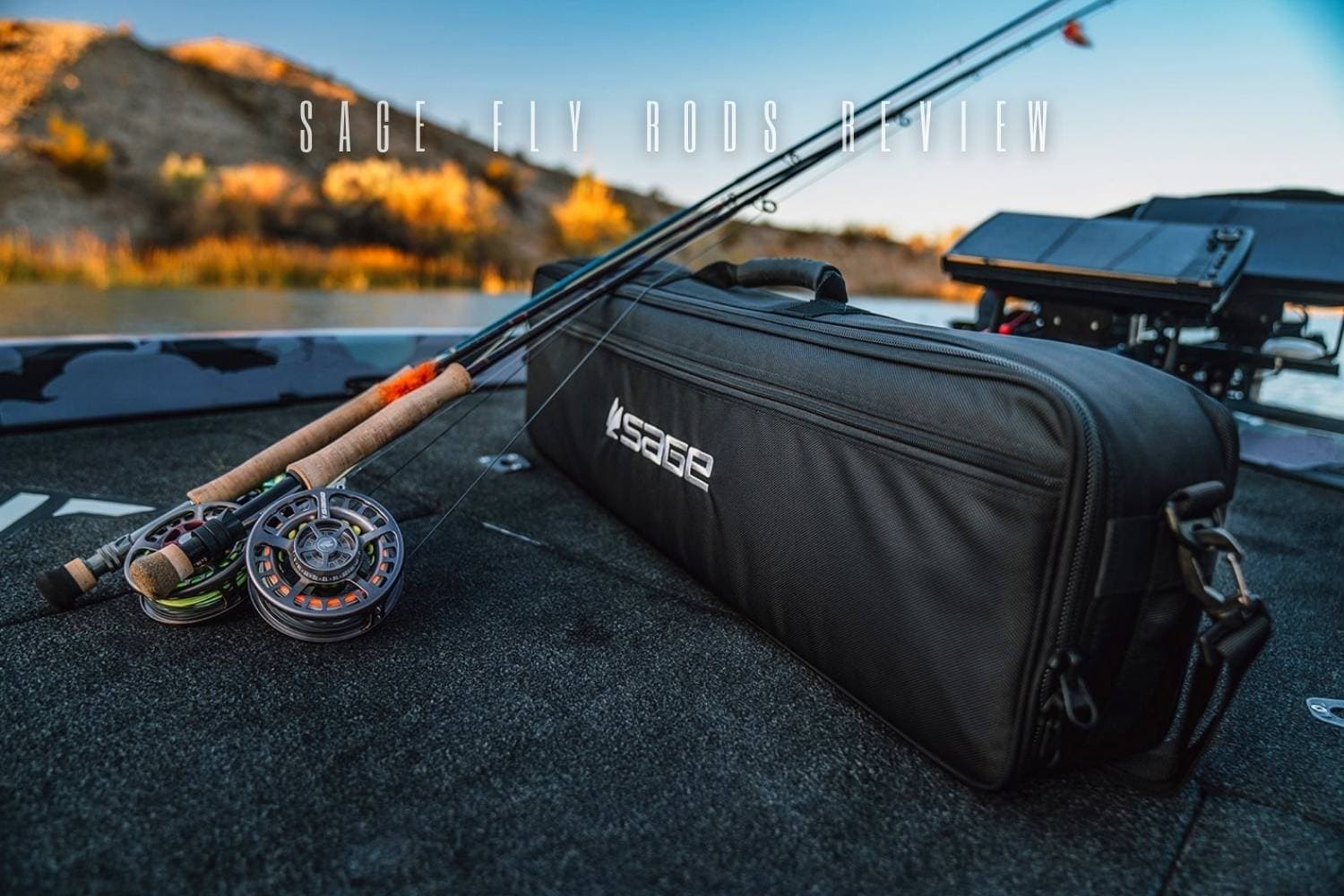
Sage lineup history
Read the historical Sage lineup as a set of casting lanes
A long Sage model list can look like a hierarchy, but the historical families in this guide make more sense as lanes. Some were built around high line speed, others around light presentation, short-water accuracy, tight-line contact, two-handed work, or saltwater control. The useful question is not “Which Sage sat highest?” It is “Which lane describes the casts I need to make repeatedly?”
The names below belong to the earlier Sage lineup. They are historical reference points, not a statement about the models Sage offers now. That boundary lets the older design logic remain useful without mistaking lineup history for a current catalogue.
Historical Sage families by casting problem
| Casting lane | Families in the historical lineup | What to prioritize |
|---|---|---|
| Fast freshwater | X, Pulse, Foundation | Loop control, recovery, broad usefulness |
| Presentation and small water | Trout LL, Dart | Feel, short-range accuracy, restrained power |
| Heavy payloads | Payload, Igniter | Fly turnover, wind, decisive stroke |
| Tight-line nymphing | ESN | Reach, contact, balance |
| Two-handed casting | Sage Spey and switch models | Line-system compatibility and anchor control |
| Saltwater | Motive, Salt HD | Wind, larger flies, fighting leverage |
The core fast-action lane was not one single feel
X Series: precision through quick recovery
The X Series occupied the high-speed freshwater role in the historical lineup. Its design story centered on crisp recovery and controlled loops. That character rewards a caster who creates a clean stop and wants the rod to settle quickly. It is less convincing as a cure for timing problems; a quick blank can make an uneven stroke more obvious. An older X should be tested at ordinary fishing distance, because lawn-casting for maximum carry can hide how the tip behaves during a short pickup and presentation.
Pulse: a practical fast-action middle
Pulse was described as a versatile family using an earlier Sage graphite construction. Its appeal lay in a workmanlike fast action rather than a narrowly specialized mission. For an angler comparing older rods, that can be an advantage: broad competence often matters more than the newest-sounding material label. Confirm the exact line class and length, then test whether the blank loads at the distance you normally fish. A fast rod that only becomes communicative after more line is carried may be mismatched to confined water.
Foundation: direct, uncomplicated response
Foundation represented another straightforward fast-action route. The historical lineup placed it across common freshwater and heavier configurations, so the family name alone does not define one universal tool. Its clean identity is most useful to casters who value a direct response and do not need a deeply bending presentation rod. On a used example, inspect the ferrule stations and guide wraps carefully; repeated assembly and transport can reveal more about value than cosmetic gloss.
Specialists clarify what the generalists cannot do
Trout LL and Dart: two approaches to restrained water
Trout LL occupied the presentation-led side of the older lineup, with a more moderate tempo intended to keep lighter work engaging. Dart addressed very short rods and confined streams from a quicker-action direction. That contrast matters. An angler who likes to feel a longer bend may prefer the Trout LL concept, while someone threading casts beneath cover may value the compact, responsive Dart idea. Neither label proves current status, and neither replaces a test with the leader lengths and casting obstacles common on the intended creek.
Payload and Igniter: power with different reasons
Payload was framed around carrying demanding flies and lines; Igniter around extreme line speed and difficult conditions. Both sat on the forceful side, yet the buying questions differ. For Payload, ask whether bulky or heavy rigs dominate the season. For Igniter, ask whether wind and a very fast personal stroke are normal rather than occasional. Extra reserve that never gets used can reduce feel during everyday casts, so “more power” should never be the default answer.
ESN: balance is part of the blank
The ESN family was the historical lineup’s Euro-nymphing specialist. Length and sensitivity support contact techniques, but reel choice and grip position determine whether the full setup remains comfortable. Evaluate an older ESN with the reel, leader, and line arrangement you intend to fish. Hold it in the working position for several minutes, practice leading a drift, and notice wrist tension. A static wiggle cannot reveal the fatigue created by poor balance.
Spey and switch: start with the line system
Two-handed Sage models should be selected from the line backward, not from the rod name forward. Head style, grain window, tip arrangement, casting method, and river width all influence fit. Verify the exact markings on an older blank and avoid assuming that two rods sharing a family word accept the same setup. Assemble every section, check ferrule engagement, and inspect the lower handle because leverage can expose looseness that a single-hand test misses.
Motive and Salt HD: saltwater roles from the lineup history
Motive and Salt HD occupied saltwater positions in the older lineup. Motive represented a broader fast-action saltwater route, while Salt HD stretched into more demanding line classes. For a second-hand rod, its intended saltwater use does not establish its present condition. Look for corroded guide feet, pitting, damaged inserts, reel-seat binding, and repairs hidden beneath wraps. Then test with the fly size—not merely the distance—you expect to cast.
A four-cast Sage evaluation
- Short presentation: begin where you actually fish and see whether the blank communicates with limited line outside the tip.
- Change of direction: make an off-axis cast to expose tracking and recovery without chasing maximum distance.
- Payload test: use a representative leader and fly so turnover reflects the intended work.
- Pickup and control: lift line, reposition, and present again; fishing efficiency matters more than one long cast.
After casting, check every joint again. Movement at a ferrule, a guide that ticks under light pressure, or reel-seat hardware that loosens should outweigh a favorable first impression. For two-handed and nymphing rods, repeat the trial with the complete line and reel system because balance and leverage are inseparable from performance.
Ignore stale retail memories and assumptions about service. The sensible basis for an older Sage is exact identity, sound condition, and a casting lane that suits your water. Any service or ownership question should be confirmed separately before it influences a decision.
Turn the lineup history into a shortlist
Choose X, Pulse, or Foundation as historical reference points when ordinary fast-action freshwater work defines the need. Look toward Trout LL or Dart when presentation and constrained water dominate. Use Payload or Igniter only when their extra force solves a recurring problem. Treat ESN, Spey, switch, Motive, and Salt HD as system-specific tools, because line choice and technique determine whether their specialization helps.
The model name should be the final filter, not the first. Write down your normal casting distance, largest fly, prevailing wind, preferred tempo, and target fish. Then test only the historical lane that fits those answers. That process turns an intimidating Sage family tree into a small, defensible choice.

At +$200 for “warranty” work, Sage is no longer a fly-fisher’s friend. Ridiculous for a “lifetime” warranty. Do not patronize this company of billionaires. They do NOT support their products. The CEO stated that a main reason for buying sage equipment is, “that the company will stand behind it”. I guess that means they stand far behind the rest of the industry, charging $200 to repair a rod is robbery. So much for Sage, quality and customer service.