
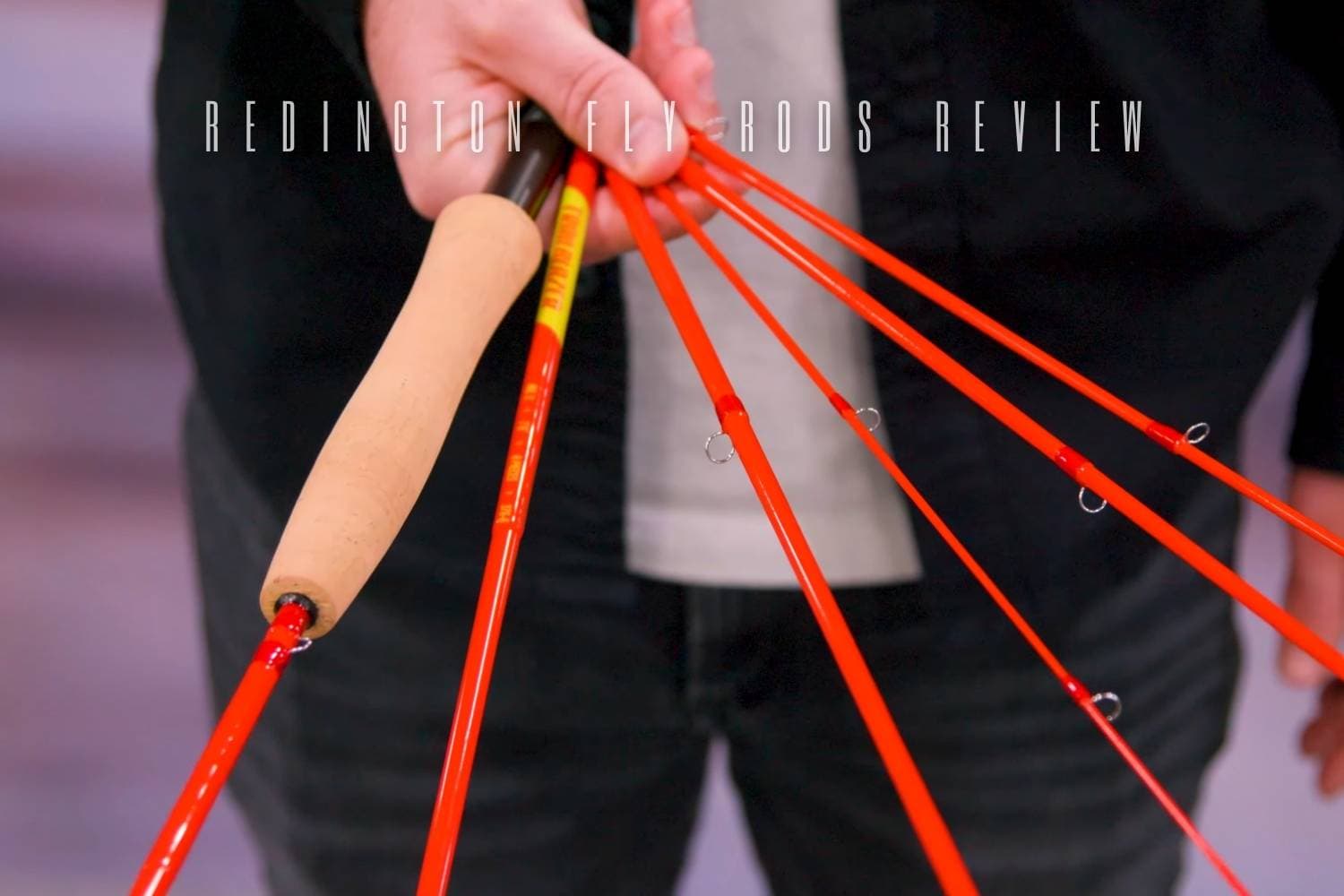
How to read the historical Redington rod lineup
Redington’s named rod families once covered a surprisingly broad path from small-water trout fishing to forceful casts, youth setups, and two-handed work. The useful way to revisit that lineup is not to crown one universal winner. Start with the cast you want to make, the size of water in front of you, and how much feedback you prefer from the blank. Those choices quickly separate the gentler trout tools from the faster all-water rods and the long two-handed designs.
The names below describe the lineup represented by this historical period. They are historical reference points, not a statement about what the brand offers now. That distinction matters because a familiar family name can outlive a particular build, specification, or intended niche. Use the old lineup to understand design roles; identify any later rod on its own terms before treating it as equivalent.
Lineup roles at a glance
| Decision lane | Named examples | What to decide first |
|---|---|---|
| Measured trout casting | Hydrogen, Butter Stick, Classic Trout | Whether feel and presentation matter more than immediate line speed |
| Long-leader trout technique | Hydrogen Euro Nymph | Whether the rod is for a dedicated nymphing approach rather than general dry-fly use |
| Faster all-water work | Crux, Predator, Vice | How much wind, fly resistance, and fish-fighting authority the usual day demands |
| Broad utility | Path, Crosswater | Whether versatility and straightforward handling outrank specialization |
| Special formats | Youth Minnow, Dually, Chromer | Angler size, casting style, and whether the setup is single- or two-handed |
Begin with casting tempo for trout
The historical Hydrogen, Butter Stick, and Classic Trout families sit close enough in purpose to invite comparison, yet they should not be treated as interchangeable. A rod chosen for unhurried timing and visible blank loading creates a different experience from one selected for a crisper recovery. Think about the casts that fill most of the day: short leaders beneath branches, controlled loops across a meadow stream, or repeated reach casts on broader water.
Butter Stick represented the fiberglass branch of the old lineup, making it the natural reference when a deeper bend and patient stroke are part of the appeal. Classic Trout occupied a more traditional trout lane, while Hydrogen appeared in both a freshwater form and a separate Euro Nymph form. The shared name does not erase that technique split. A dedicated long-leader nymphing tool solves line-control problems that an all-purpose trout rod may only handle occasionally.
For any of these historical families, line weight alone is not enough to settle the choice. Rod length changes reach and clearance; action changes timing; the flies and leader system change the load the caster actually feels. Build the decision around the dominant presentation, then use a secondary need such as packability or occasional streamer duty to break a tie.
Separate speed from useful power
Crux, Predator, and Vice formed the faster side of the historical lineup. That does not mean they all answered the same question. A fast label can describe a family spanning very different line weights and fishing contexts. The better comparison is practical: how quickly must the rod form line speed, how much resistance comes from the fly, and how often must the cast recover after a poor stroke or awkward boat angle?
Predator belonged in the conversation when larger flies and stronger fish were the central problem. Vice and Crux covered broad all-water territory in the older lineup, but a name-level comparison cannot reveal the exact feel of every configuration. Avoid choosing solely because one family sounds more powerful. Excess stiffness can make short casts less communicative, while too little reserve can make repeated bulky-fly work tiring.
Path and Crosswater provide another useful lesson from the old range: a general-purpose rod earns its place by covering ordinary days without demanding a specialized casting rhythm. That can be more valuable than peak performance in a narrow task. For a first setup or a loaner, predictable line pickup, manageable timing, and a sensible configuration can outweigh prestige or theoretical distance.
Keep special-format rods in their own lane
The Youth Minnow was framed for younger anglers, while Dually and Chromer represented two-handed territory. Those branches should never be folded into a single ranking with ordinary trout rods. A youth setup must fit the caster’s reach, grip, and attention span. A two-handed rod belongs to a casting system involving a matching line, head, tip, leader, water type, and casting space.
Dually and Chromer are therefore most useful as historical signposts showing that Redington’s range extended beyond single-hand rods. Choosing between historical two-handed families by a short specification row would miss the important work. Start with the target species and river, then define the cast, preferred head style, and required sink-tip control. Only after that should rod length and line designation enter the discussion.
A five-step choice sequence
- Name the presentation used most often, not the most exciting fish imagined for one future trip.
- Decide whether the preferred stroke is relaxed and progressive or quick and compact.
- Match length to vegetation, wading depth, reach, and transport constraints.
- Keep Euro nymph, youth, and two-handed designs outside a generic all-purpose comparison.
- Treat every later generation or same-name rod as a fresh identity rather than inheriting details from this old lineup.
A sensible Redington decision begins by shrinking the lineup. Trout anglers can first choose between traditional presentation, fiberglass character, and technique-specific nymphing. Anglers facing resistant flies can then look toward the stronger all-water lane. Newcomers may be better served by uncomplicated utility, while two-handed casters need a complete system rather than a rod-only answer.
The lasting lesson from the Redington range
The historical lineup is most helpful as a map of jobs, not as a shopping list. Its breadth shows why brand loyalty alone cannot select a rod: Hydrogen Euro Nymph, Butter Stick, Predator, Youth Minnow, and Dually were built around fundamentally different casting situations. Define the situation first and the family names become easier to interpret.
When revisiting any of these rods secondhand or comparing them with a later namesake, confirm the exact generation and configuration before relying on old specifications. Preserve the useful distinction between presentation, power, utility, and special formats. That approach produces a more coherent outfit than trying to find one Redington rod that is somehow ideal for every water, fly, and casting style.

Can you use the Redington Classic Trout – Freshwater for bass and panfish.
Yes absolutely, it will work for all these fish. Maybe a little light for big bass flies, but you should be ok!
I would like to register my fly rod combo for warranty.
Hi Daniel,
I’ve removed your personal info so it’s not public. Please see this page here where they talk about the warranty: https://www.redington.com/support/warranty
You just need to send the rod to them if you break it and fill out this form here: https://www.redington.com/resources/pdf/warranty-service-form.pdf
Hi I am new to fly fishing and need some help.
I intend to fish small lakes and slow moving rivers.
From reading think I need a 9ft, 5cwt rod
Can you recommend a package for me, rod, reel, tackle etc?
Perhaps a beginner/intermediate package that allows me to improve.
Appreciate any help you can give.
Regards
David