
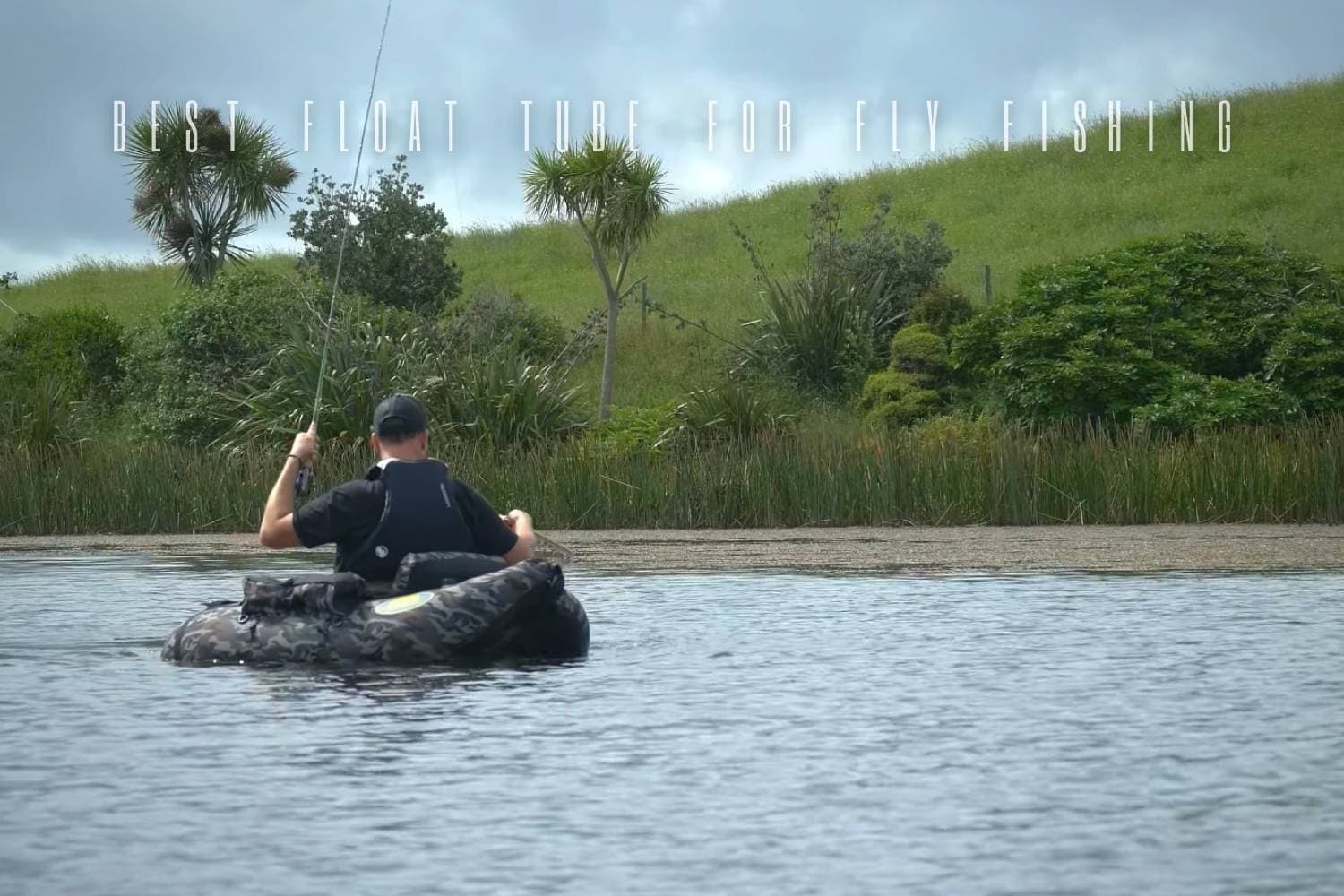
A float tube can put an angler closer to reed edges, drop-offs, and other water that is awkward to cover from shore, while remaining compact enough for car-based trips and some walk-ins. The trade-off is equally clear: the angler, the inflated craft, the weather, and the chosen water all form one system. Fit and judgment matter more than a long accessory list.
The named tubes below are article-era examples, not present-day product recommendations. Their designs are useful for comparing seat position, hull shape, carry method, storage, and setup. For any exact tube, follow its manufacturer instructions and the rules for the water you plan to fish; do not carry historical specifications into a different generation.
Match the tube to the water and the trip
Begin with the place rather than the product. A short carry from a vehicle, a long approach, a sheltered pond, and exposed open water create different priorities. Wind and changing conditions can turn portability into a secondary concern, while a long walk can make packed bulk and carry straps decisive before the tube ever reaches the water.
| Trip type | Prioritize | Question to settle |
|---|---|---|
| Short walk from the car | Comfort, organized storage, and straightforward setup | Can the inflated or packed tube move between car and launch without loose parts? |
| Longer approach | Packed size, carry balance, and only essential gear | Can you carry tube, fins, pump, tackle, and clothing without overloading yourself? |
| Frequent casting changes | A clear stripping area and reachable tools | Will loose line stay away from buckles, zippers, and unused attachments? |
| Cold, windy, or exposed water | A conservative go/no-go decision | Do conditions, local guidance, and the exact craft instructions support the outing? |
A tube should never be chosen from a generic promise of stability or safety. Body size, clothing, equipment load, seat adjustment, inflation, and water conditions all affect how the setup behaves. Confirm limits and required equipment for the exact model and location.
What the article-era tubes illustrate
The examples show how several familiar design jobs were approached in the named generations. They are best read as historical patterns, not as present-day capacity, construction, or availability statements.
| Article-era model | Observed design point | Buyer lesson |
|---|---|---|
| Cumberland Float Tube | The described tube used an elevated seat, adjustable backrest, backpack-style straps, and multiple storage areas. | Seat position, carry method, and storage should be evaluated together because each changes packed bulk and on-water organization. |
| Outcast Fish Cat 4-LCS | The article-era version used a foam seat and roomy side pockets; the author found that seat comfortable over longer periods. | Seat material and ride position can matter more than adding another small pocket. |
| Caddis Premier Plus II Float Tube | The named version used a pontoon-like outline, foam seat and backrest, side storage, and a working apron. | Hull outline and workspace layout affect how easily an angler can turn, cast, and manage line. |
| Teton Inflatable Float Tube | This version emphasized backpack straps, several storage areas, and a lower seating position. | A low seat may change comfort, warmth, casting angle, and how wet the angler becomes. |
| Bighorn Inflatable Fishing Float Tube | The described tube paired a large seat and backrest with rear and side storage. | More carrying space is useful only when the load remains organized and appropriate for the exact tube. |
Transport and setup are part of the purchase
List every separate item needed for the trip: tube, pump, fins, clothing, fishing gear, repair items, and anything required by the manufacturer or local rules. Then consider the full load, not the tube in isolation. Shoulder straps can help on a short carry, but strap spacing and balance still need to fit the angler. Rear storage can hold bulky items yet make a packed craft awkward to lift.
Practice setup in a controlled place and use the sequence supplied with the exact tube. Learn where each valve, seat connection, bar, apron, and strap belongs. A rushed first assembly at the water is a poor time to discover that a component is twisted or unfamiliar. Do not invent inflation targets or substitute a universal procedure; use the instructions and markings for that model.
Seat, apron, and storage should work as one layout
A supportive backrest can reduce fatigue, but it must adjust without pushing the angler into an awkward casting posture. Seat height changes visibility, leg position, and the angle at which line leaves the rod. Try the complete arrangement with the clothing you normally wear and with the pockets loaded realistically.
The stripping apron needs a clean surface so coils do not catch on tools, zipper pulls, or unused rings. Storage is most useful when frequently handled items can be reached without leaning or twisting. Keep heavier or rarely used items from crowding the casting area, and avoid treating every attachment point as an invitation to carry more.
Care, inspection, and cautious use
Before each outing, inspect the fabric, seams, valves, seat attachments, apron connections, and carry straps according to the model instructions. Afterward, remove grit and plant material, let components dry, and store them without sharp tackle pressing into the fabric. If you find damage or unexplained pressure loss, stop using the tube until it has been assessed and repaired in the approved way.
No float tube makes difficult water routine. Follow the manufacturer guidance for the exact craft, wear or carry whatever equipment the applicable rules require, and check local restrictions before launching. Make a conservative decision when wind, cold, current, visibility, boat traffic, or changing weather exceed your experience. Historical rankings and generalized capacity figures are not a substitute for those checks.

To me , you left out the most important facet of the boats: the inflation valves. I just returned a cumberland boat as one of the bladders leaked on its second use. The Classic line of pontoon boats have very good valves and i was disappointed the belly boat did not have the same valves.