
St. Croix historical fly-rod guide
The historical St. Croix lineup divides cleanly by species, water, and casting method
The historical St. Croix lineup covered five families with unusually direct names: Mojo Bass, Mojo Trout, Imperial USA single-hand rods, Imperial USA Switch, and Imperial Salt. Instead of treating them as vertical tiers, read the names as boundaries. Bass cover, trout presentation, broad freshwater use, two-handed technique, and saltwater each impose different demands.
Those families belong to the historical period. They show how those older rods were divided by purpose; they do not describe St. Croix’s current range. Exact markings, physical condition, and a realistic cast should govern any decision about an older rod.
Five historical families, five different first questions
| Family | Historical role | First question to answer |
|---|---|---|
| Mojo Bass | Bass-oriented power and close control | What flies and cover must the rod handle? |
| Mojo Trout | General trout presentation | Are most casts short, medium, or open-river? |
| Imperial USA | Broad single-hand freshwater range | Which exact line and length match the technique? |
| Imperial USA Switch | One- or two-hand line management | Which head and casting method will be used? |
| Imperial Salt | Saltwater casting and fish control | Can it deliver the real fly in wind? |
The Mojo branches begin with species-specific constraints
Mojo Bass: cover, fly resistance, and short-range authority
Mojo Bass was the historical family aimed at bass work. The first question is the role: bass fishing can demand bulky flies, quick pickup, accurate casts around structure, and immediate pressure after a take. An older Mojo Bass should be evaluated against those tasks rather than against generic trout standards.
Bring a representative popper or streamer—without hooks for a safe casting test—and observe turnover at the distances used around banks and cover. Check whether the grip and reel balance support repeated false casts with an air-resistant fly. Then inspect the lower blank, reel seat, and guide train because hard hook sets and fish control can load those areas heavily.
Mojo Trout: a more measured freshwater conversation
Mojo Trout occupied the trout-focused lane in the historical lineup. Its medium-fast description suggested a compromise between feedback and useful line speed. That can suit anglers who alternate dry flies, light nymphs, and modest streamers, but family breadth means the exact line class and length still matter. A short light model and a longer heavier one should not inherit the same verdict.
Test at ordinary river range with a leader long enough to expose turnover. Include a roll cast, reach mend, and short pickup. A trout rod earns its place by controlling line after delivery as well as by forming a neat loop. If the blank feels pleasant only during long overhead casts, it may not match pocket water or constrained banks.
Imperial was a family name with three separate jobs
Imperial USA: exact configuration outranks the umbrella name
The historical Imperial USA single-hand range crossed light through heavier line classes. That made it the broadest family in the earlier lineup, not one universal action for every fish. Choose from the intended rig backward: fly size, line type, target species, normal distance, and preferred tempo. Then confirm the rod’s inscription before applying any historical family description.
On a used Imperial USA rod, inspect ferrule stations, guide wraps, cork, and reel-seat insert. Assemble each section without forcing and rotate the blank under directional light to reveal repairs or impact marks. A broad family can contain many legitimate configurations, but mismatched sections or an uncertain identity should stop the evaluation.
Imperial USA Switch: technique changes the hardware test
The Switch branch was intended for one- or two-handed use. That flexibility is valuable only when paired with the correct line system. Decide whether the rod will cast compact heads, longer bellies, overhead lines, or a mixture, then identify an appropriate starting point for the exact blank. A random line can make a good switch rod feel either overloaded or lifeless.
Longer leverage also changes inspection. Check both grips for movement, examine the lowest guide and ferrule carefully, and re-seat all joints after a casting session. Practice the casts you expect to use rather than performing single-hand overhead loops exclusively. Anchor placement, tip recovery, and line control reveal the real fit.
Imperial Salt: saltwater components need a physical check
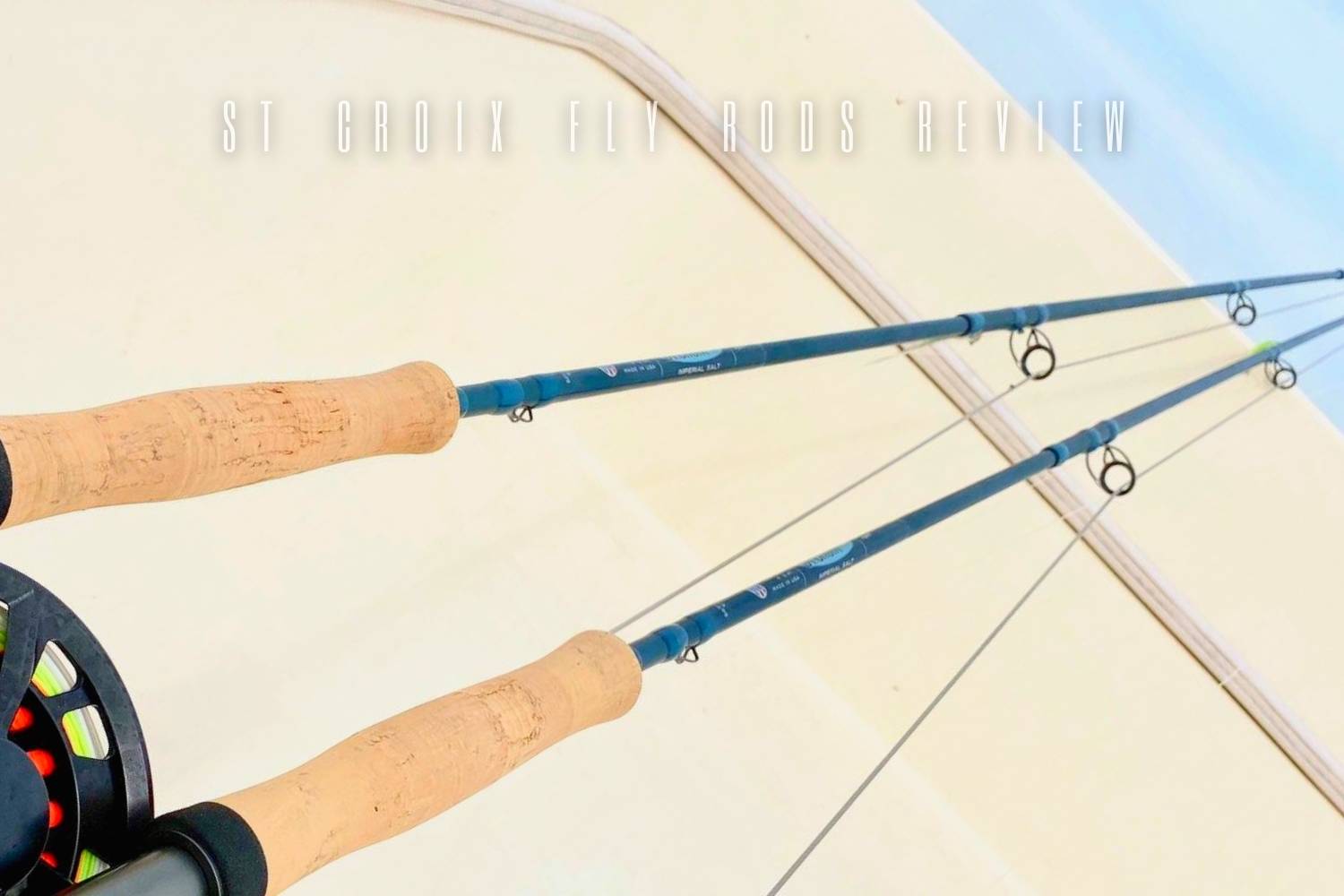
Imperial Salt was the saltwater specialist in the earlier lineup. Its historical role called for stronger line classes, larger flies, wind capability, and fighting leverage. Those qualities are worthwhile only for anglers who regularly need them. Extra power that sits unused can make lighter fishing tiring and reduce feedback.
Condition checks should concentrate on corrosion and impact. Pass soft cloth over guide surfaces, inspect frames and feet, operate reel-seat threads through their range, and look around the fighting butt and grip for movement. Cast a fly with comparable air resistance to the intended pattern. A clean loop with yarn or bare leader does not demonstrate practical turnover.
Used-rod decisions should survive without an old warranty claim
Do not assume an older rod retains the warranty terms or manufacturing details once associated with its family. Eligibility can depend on model, date, ownership, documentation, and program terms. Judge the rod’s value from verified identity, present condition, and casting fit; treat any service possibility as a separately confirmed benefit.
Likewise, a country-of-manufacture field from an older lineup should not be transferred to every rod sharing the name. Read labels on the actual product and retain photographs. A family may span configurations or periods, so verify country of manufacture on the physical rod.
A verification checklist for the five lanes
- Mojo Bass: confirm that fly turnover and near-cover control matter more than delicate light-line presentation.
- Mojo Trout: test short and medium-range line control, not only open-field distance.
- Imperial USA: identify the exact line, length, and grip before using umbrella-family descriptions.
- Imperial USA Switch: match the head and tips, then inspect both handles and every ferrule under working leverage.
- Imperial Salt: examine all metal components and cast a realistic saltwater fly profile.
For every family, mount the intended reel. Balance can alter perceived action, especially on longer or heavier rods. Make several casts, pause, and notice wrist and forearm effort. A rod that produces one excellent cast but creates fatigue during repetition is not a successful fit.
After the trial, disassemble carefully and inspect contact surfaces. Uneven wear, clicking, guide movement, or a seat that loosens should be resolved before fishing. Accessories and tubes add convenience only after the rod itself passes.
Let water type remove the wrong options
A trout stream removes Imperial Salt and usually Mojo Bass from consideration. Repeated popper or streamer work around warm-water cover makes Mojo Bass more relevant than a presentation-led trout tool. Two-handed technique immediately isolates Imperial USA Switch. Saltwater wind and larger flies point to Imperial Salt. Mixed single-hand freshwater work begins with the exact Imperial USA or Mojo Trout configuration.
This elimination process keeps familiar names from overpowering practical needs. It also respects the lineup history: the families are examples of distinct design intentions, not a current shopping list or a promise that every recorded specification applies across time.
