
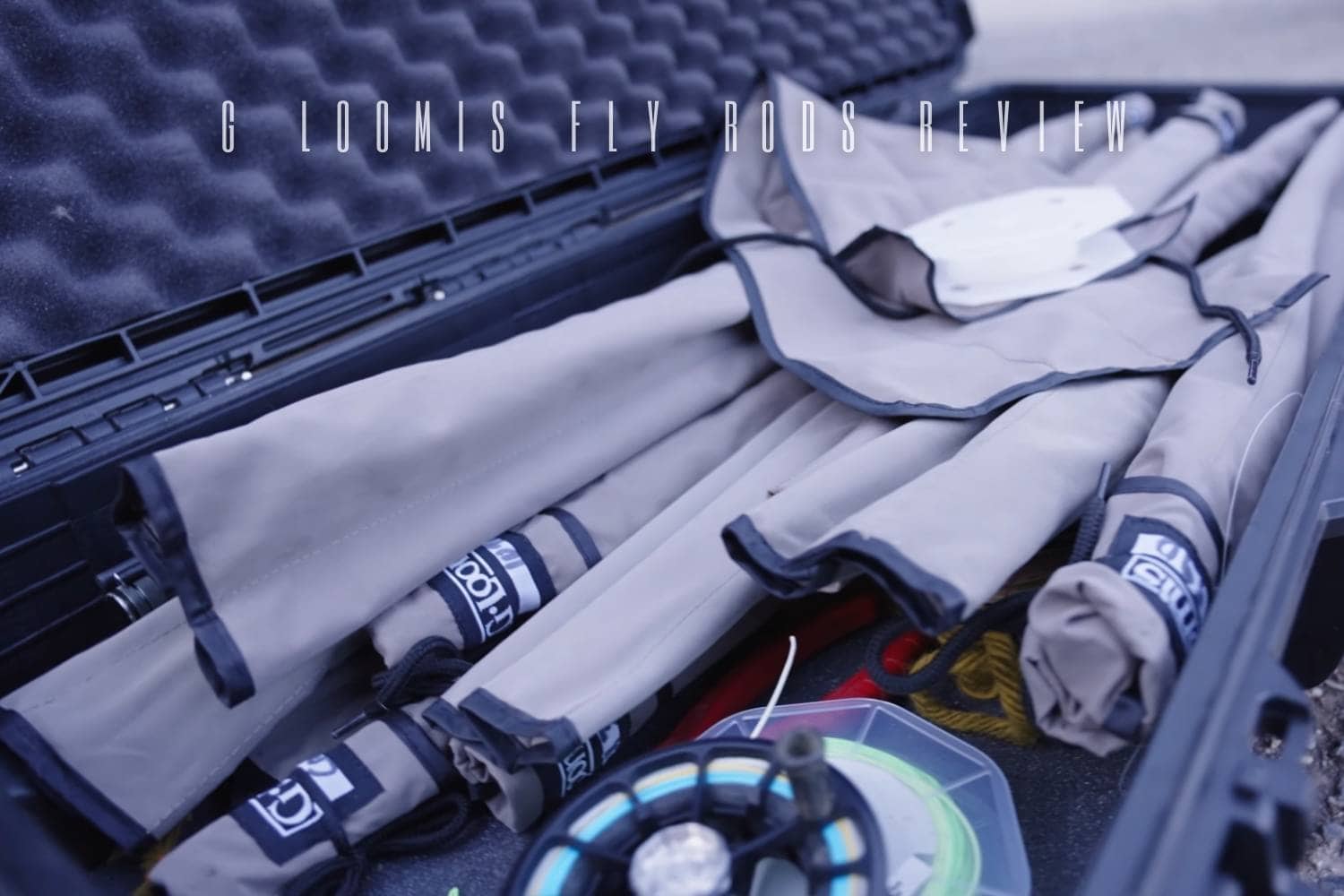
G. Loomis historical lineup
Separate the historical G. Loomis families by line system and fish-fighting job
G. Loomis names often carry strong reputations, yet reputation does not tell you whether a rod is designed for light presentation, broad freshwater work, saltwater distance, shallow-cover accuracy, or two-handed casting. The older lineup becomes manageable only after those jobs are separated.
The families in this guide are historical examples. They do not prove present manufacturing, specifications, or service terms. Their role is to explain how the historical range divided work; the markings and condition of an individual rod remain the authority for a second-hand decision.
Historical families grouped by the load they manage
| Role | Historical examples | Key matching question |
|---|---|---|
| All-water fast action | Asquith | Does quick recovery suit your normal stroke? |
| Freshwater utility | IMX Pro | Which line, length, and technique define the setup? |
| Light presentation | NRX+ LP | Is delicacy more important than heavy-fly turnover? |
| Saltwater | Crosscurrent GLX and historical NRX saltwater references | Can it turn over the real fly in wind? |
| Short-range specialty | Shorestalker | Do accuracy and leverage near cover outrank distance? |
| Two-handed | Asquith Spey, IMX Pro Short Spey, NRX+ Spey and Switch | Is the line system correct for the exact blank? |
Single-hand families: speed is only one variable
Asquith: fast all-water intent
Asquith occupied the fast, high-performance all-water position in the earlier lineup. That description makes it suitable for a caster who values quick recovery and can apply power cleanly. It does not make the family automatically preferable for every trout stream. Test an older example with a representative leader and fly at the distance you usually fish. A rod that excels with more line carried may offer little advantage when most casts are short.
The historical lineup included more than one Asquith label and several line classes. Never transfer details between them from the shared name alone. Read the inscription, confirm section count, and inspect the ferrules before borrowing any family-level impression.
IMX Pro: freshwater work should be configuration-led
IMX Pro represented a broad freshwater family in the historical lineup. Its usefulness depends on the exact configuration because a trout-oriented line and a heavier freshwater model solve different problems. Begin with target species, fly size, and preferred technique. Then judge whether the rod loads comfortably during actual fishing motions such as pickup, mend, roll cast, and change of direction.
A used IMX Pro deserves attention around guide feet and the lower blank. Look for impact marks hidden by a dark finish, rotate the assembled rod under light, and check reel-seat hardware with the intended reel. A sound name cannot compensate for a loose insert or a damaged joint.
NRX+ LP: presentation is a specific priority
The LP reference belonged to the lighter-presentation side of the historical range. Its reason for being was not merely reduced power; it was a different balance of loop shape, touch, and fly delivery. That makes it relevant when dry-fly accuracy and restrained landings dominate. Anglers who routinely cast weighted rigs or wind-resistant patterns should test turnover honestly instead of assuming a premium family label erases the compromise.
Crosscurrent GLX: historical saltwater utility
Crosscurrent GLX was the clearly named saltwater family in the historical lineup. Quick recovery, line speed, and fish-lifting ability defined the design direction. For an older example, corrosion inspection is as important as casting feel. Run a soft cloth across guides, examine frames and feet, work the reel-seat threads, and look for repairs near the fighting butt. Then cast the kind of fly the rod would actually carry; bare line is an incomplete test.
Shorestalker: accuracy near structure
Shorestalker occupied a distinctive short-range specialty role. The historical description emphasized shallow water, bays, warm-water fish, and accuracy rather than pure distance. That makes it interesting for close cover where a compact stroke and immediate control matter. It is not a universal substitute for a conventional nine-foot rod. Test reach, line pickup, and the ability to steer a fish away from cover before accepting the shorter format.
Spey and switch rods begin with a grain window, not a brand story
Asquith Spey: long-line performance from the lineup history
The Asquith Spey family covered long two-handed rods in the earlier lineup. Length and line class change leverage dramatically, so exact identification must precede any cast. Determine the intended head style, tip arrangement, and target river. A setup built for one casting method can make another feel unnecessarily difficult even when the blank is sound.
IMX Pro Short Spey: compact two-hand work
IMX Pro Short Spey represented a shorter two-handed route. Compact length can help in tighter quarters and with modern head systems, but it also changes anchor placement, timing, and landing reach. Evaluate the rod on water or an appropriate casting area with the planned line. Overhead lawn casts cannot answer whether it forms and releases an anchor cleanly.
NRX+ Spey and Switch: verify the exact format
The historical combined label covered Spey and switch territory. Do not assume every rod under it shares length, line requirement, or preferred technique. Record every marking and compare the assembled rod with the correct head before judging recovery. Inspect both handles and the lowest ferrule after casting, because sustained two-hand leverage can reveal movement missed during a static check.
A load-path inspection for an older G. Loomis
- Identity: photograph the complete inscription, line class, length, and serial or production markings present on the rod.
- Tip path: check tip-top alignment, guide surfaces, and wraps from the top downward.
- Joint path: assemble each ferrule gently, note engagement, and listen during modest flex.
- Power path: inspect the blank above the grip, fighting butt if present, cork, and reel-seat connection.
- Fishing path: cast the intended line, leader, and fly, then repeat the physical inspection.
Do not treat historical registration or warranty language as a transferable asset without independent confirmation. Service eligibility can depend on age, ownership, documentation, region, and the exact program. A purchase should make sense even if judged solely on present condition and casting fit.
For saltwater rods, clean hardware may still conceal damage, so use magnification and good light. For presentation rods, check whether the tip tracks cleanly at short distance. For specialty and two-handed rods, make sure the format solves a recurring problem rather than an imagined future trip.
Build the shortlist from fishing constraints
If the season requires a quick all-water rod, the historical Asquith idea belongs in the conversation. If freshwater variety matters, start from an exact IMX Pro configuration. If light presentation dominates, the NRX+ LP lane is more relevant. For saltwater, Crosscurrent GLX and other historical salt references must be tested with realistic flies. Shorestalker only earns a place when short-range cover work is central. Two-handed families remain separate because their line systems determine success.
Now add personal tempo. A technically capable rod that demands a casting stroke you dislike will spend more time in its tube. Compare no more than two adjacent roles at once and use the same line category, target, leader, and fly. Notice effort after repeated casts, not just the one impressive loop.
