
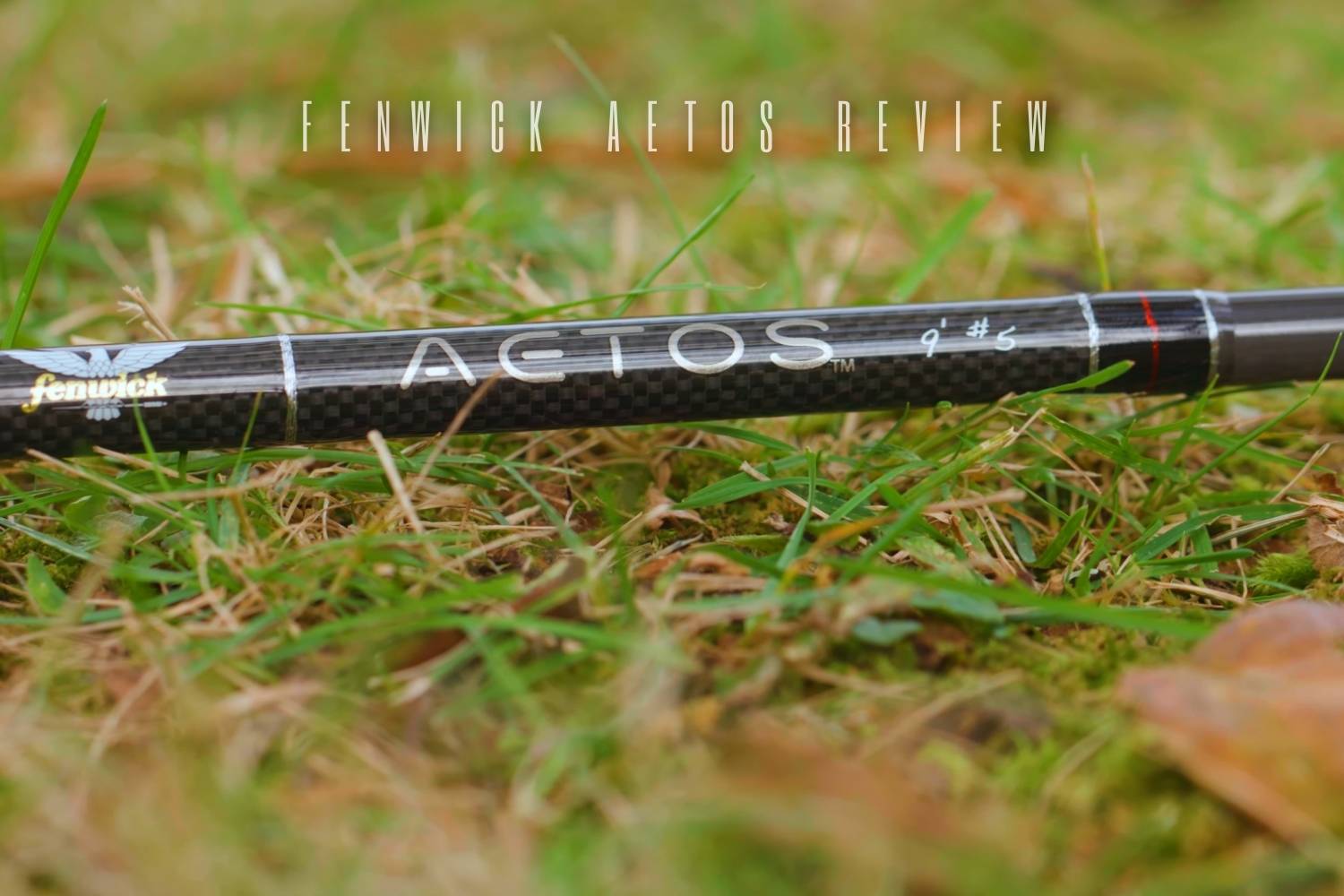
Fenwick Aetos in one sentence: the earlier-generation family combined a light, quick-casting character and a broad range of configurations, but the exact configuration behind its broad casting impressions is unclear, so those impressions cannot stand for every Aetos or for a later rod carrying the name.
Start with the exact Aetos, not the family reputation
Earlier-generation specifications covered four-piece, fast-action Aetos rods across several line weights and lengths, with reversed half-wells grips on lighter models and full-wells grips with fighting butts on heavier ones. That breadth is the first buying lesson: “Aetos” did not describe one identical tool. A trout configuration, a heavier single-hand rod, and a two-handed model can share a family name while loading, balancing, and fishing very differently.
Before judging a used or older example, read the markings above the grip and confirm line weight, length, section count, and intended style. Do not infer those details from blank color alone. Earlier details identify both grey and darker blue finishes, so finish is a poor identity shortcut. A correct model marking is more useful than a familiar photograph or a seller’s broad family label.
Rod details, hands-on limits, and buyer fit
- Hands-on scope
- The exact Aetos configuration behind the broad comments about feel and effort is not identified. Those impressions therefore cannot stand for the whole family.
- Earlier-generation model details
- Fast action, four sections, graphite construction, cork grips, an anodized aluminum reel seat, a protective tube, and configuration-dependent handles were associated with the Aetos family described at the time.
- Buyer fit
- The Aetos concept suits an angler who wants a responsive rod and is prepared to choose by exact line weight and water rather than by a general reputation for lightness.
What the fast-action description really implies
A fast label tells you where much of the blank bends; it does not guarantee effortless timing, perfect loops, or easy learning. Earlier-generation descriptions characterized Aetos as quick, light in hand, and strongest at middle distances, with enough reserve for longer casts. Those characteristics remain limited to that earlier family. A buyer should still cast the exact rod with a suitable line, because a light 4-weight and a heavier fighting-butt model ask for different strokes.
For ordinary trout work, test the rod at the distance where presentation actually occurs. Look for a clean load without forcing the butt, stable tracking through the stop, and enough feedback to adjust timing. If the blank only feels alive after carrying more line than the stream allows, it is the wrong configuration for that water even if it performs beautifully on an open field.
Build details that matter on an earlier-generation rod
Earlier-generation Aetos specifications included cork grips, a black anodized reel seat, graphite construction, four-piece portability, a bag, and a hard protective tube. Decorative details are secondary now. Inspect each ferrule for cracking or uneven wear, sight down the blank for damage, check guide feet and wraps, turn the reel-seat hardware through its full travel, and look for deep cork deterioration where the hand applies pressure.
Section fit deserves special attention. Assemble the rod without twisting against resistance, confirm that every ferrule seats securely with an appropriate gap, and align the guides by sight. A four-piece layout is convenient only when all sections belong together and hold firmly. A missing tip section or mismatched replacement can change action and value more than cosmetic scuffs.
Who should consider this generation
An earlier-generation Aetos makes the most sense for someone who understands the intended line weight and wants a lively graphite rod for a defined job. A lighter model may suit trout flies on streams and moderate rivers; a heavier model may be chosen for larger flies or stronger fish. Those are configuration decisions, not promises that every member of the family works everywhere.
A beginning caster should resist the idea that “fast” automatically means easier. Some learners benefit from a rod that announces the load more slowly. Others adapt quickly to a responsive tip and appreciate the reserve as their stroke develops. The useful trial is simple: cast the exact Aetos beside a more moderate rod with matched lines, then notice which one makes timing repeatable rather than which one produces the longest single cast.
Decision table
| Question | What the earlier-generation description supports | What to verify |
|---|---|---|
| Configuration | A broad family of line weights, lengths, and handle layouts | Printed model, length, line weight, sections, and grip style |
| Casting character | Fast action with an emphasis on lightness and middle-distance performance | Loading, tracking, and feedback with the intended line |
| Condition | Four-piece construction and protective storage | Ferrules, guide alignment, blank surfaces, cork, and reel seat |
Line matching and realistic trials
Use the line designation on the rod as the starting point. Then compare tapers designed for the technique rather than compensating blindly with an unusually heavy line. A short-head line may make close loading easier, while a longer head can expose tracking and carry. Neither choice changes the underlying action. Test with the leader and fly size the rod will handle most often, because lawn casts with yarn hide the effects of wind resistance and weight.
Also separate casting comfort from fishing control. A pleasant unloaded wiggle reveals little. During a proper trial, mend line, roll cast, make a pickup, and hold the rod at fishing height. These movements show whether the chosen Aetos balances with the reel and whether the grip remains comfortable after repeated use.
Final verdict on the earlier-generation Fenwick Aetos
This earlier Aetos family has a coherent appeal: responsive graphite construction, portable four-piece form, and configurations spanning very different fly-fishing jobs. Its weakness is not necessarily the rod; it is the temptation to turn a broad family description into one universal verdict. Choose by the markings, the water, and a real cast.
If an exact example loads cleanly at your normal distance, fits the intended flies, and passes a careful condition check, the earlier-generation Aetos can remain a sensible tool. If identity is vague or the seller’s claims rely on a newer or sibling Aetos, step back. No later generation inherits this generation’s observations, component list, or conclusions.
