
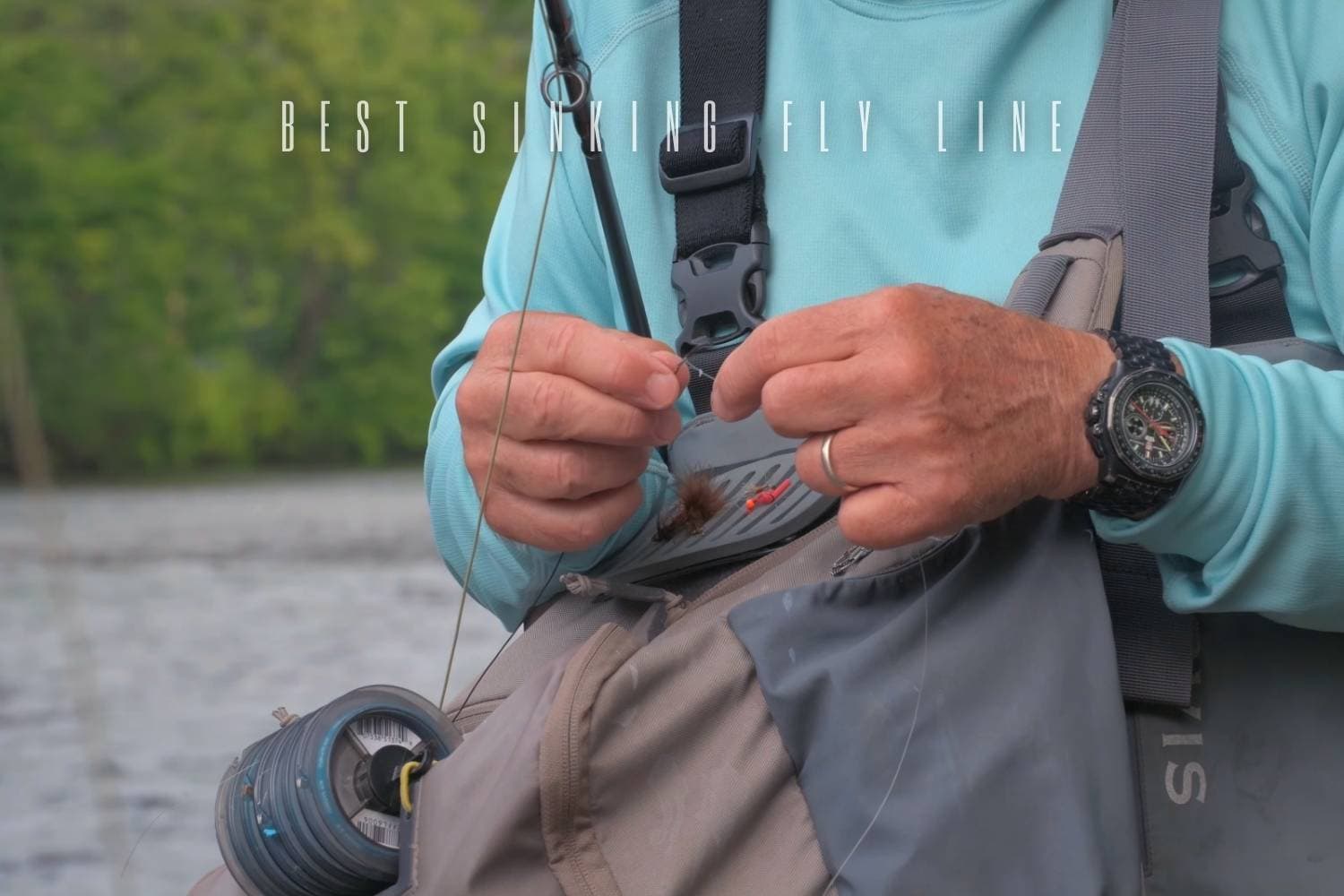
The best sinking fly line is the one that holds your fly in the target layer at the speed you want to retrieve it. An intermediate line is useful just below the surface, a sink tip pulls the fly down while leaving a manageable floating body, and a full-sinking or compact high-density head is built for deeper work. Density matters, but so do current, fly drag, leader length and retrieve speed.
For a versatile slow-sinking setup, start with Cortland Clear Camo Intermediate. Choose Ghost Tip 15 when a floating body and long clear intermediate tip make more sense. For streamer fishing with a stronger depth change, compare Streamer Sink Tip 10 T3, Full Sinking Type 6 and Compact Sink Type 9.
Sinking fly lines compared
| Line | System | Best fit | Listed build |
|---|---|---|---|
| Clear Camo Intermediate | Full intermediate | Slow subsurface retrieves in lakes and mixed fresh or salt water | WF4I–WF10I; 90 ft; 1.5–2 IPS; monofilament core |
| Ghost Tip 15 | 15 ft clear intermediate tip with floating body | Middle-to-upper water when easy pickup and line control matter | WF5I/F–WF10I/F; 90 ft; 1.5–2 IPS tip; monofilament core |
| Streamer Sink Tip 10 T3 | 10 ft Type 3 tip with floating running line | Streamers in shallow creeks, rivers and near-bank lanes | WF5S/F–WF8S/F; 100 ft; 3–4 IPS tip; braided nylon multifilament core |
| Full Sinking Type 6 | Full sinking | Fast descent and sustained deep retrieves in still water | WF5S–WF8S; 90 ft; 6–7 IPS; braided nylon multifilament core |
| Compact Sink Type 9 | 28 ft Type 9 head with intermediate running line | Deep water, large flies and limited false casting | 200–500 grain heads spanning 5/6wt through 12+wt; 100 ft; 8–9 IPS head; monofilament core |
Choose intermediate, sink tip or full sink
Start with the shape of the water column you need to cover. A faster label is not automatically better. The right line should reach the lane without spending the useful part of every retrieve either falling toward snags or climbing toward the surface.

Intermediate line
An intermediate line sinks slowly along its full length. It is the cleanest choice for keeping a fly under surface disturbance, tracing a shallow contour or making a long level retrieve over weed beds. Because the entire line is below the surface, it also avoids the hinge created by a floating body and sinking tip. The trade-off is slower pickup and less visible line control than with a floating system.
Intermediate tip or sink tip
A tip system keeps most of the line floating while the front section sinks. That makes it easier to mend, track, retrieve and lift into the next cast. A short intermediate tip is a subtle step below floating. A Type 3 or Type 6 tip creates a steeper front-end descent for streamers, deeper slots and faster current. Tip length matters alongside density: a 15-foot intermediate tip and a 10-foot Type 3 tip shape very different paths.
Full-sinking line
A full-sinking line is useful when the retrieve should remain deep across more of the cast, especially from a boat or bank on still water. The whole line descends, so depth control comes from the countdown, retrieve and casting angle rather than from a floating body. It is less convenient for repeated short shots or frequent mending.
Compact high-density head
A compact sinking head puts a dense front section ahead of a thinner running line. This is the specialist choice for turning over larger flies and getting the working section down quickly with fewer false casts. Match the listed grain window to the rod and casting style rather than assuming that the familiar rod-weight label tells the whole story.
Current sinking-line picks
Clear Camo Intermediate: versatile slow-sinking choice
Cortland lists Clear Camo Intermediate as a 90-foot weight-forward line with a 1.5–2 IPS sink rate, a monofilament core and sizes WF4I through WF10I. Its full intermediate build suits steady subsurface retrieves where a floating belly would hold the back of the system at the surface. It is a practical starting point for lake fishing, shallow flats and situations where the fly should stay just under the chop.
Choose it when: you want the entire line to settle slowly and pull the fly through a relatively level lane. Skip it when: easy mending, quick pickup or a much steeper descent is the priority.
Ghost Tip 15: best for a long, subtle tip
Ghost Tip 15 combines a 15-foot clear intermediate tip, rated at 1.5–2 IPS, with a high-floating body. Cortland positions it for subsurface tactics in clear lakes and rivers, with the tip working in the middle-to-upper water column. The floating body is the key distinction from a full intermediate line: it keeps more line visible and easier to manage while the long clear tip draws the fly below the surface.
Choose it when: you need more reach below the surface than a very short tip but still want floating-line handling. Skip it when: current or depth calls for a Type 3, Type 6 or denser head.
Streamer Sink Tip 10 T3: controlled river streamer depth
Streamer Sink Tip 10 T3 uses a 10-foot Type 3 tip rated at 3–4 IPS, a floating running line and an aggressive short taper. Cortland lists it in WF5S/F through WF8S/F and describes it for shallow creeks and rivers. That combination fits casts toward banks, seams and buckets where the fly needs to drop but the angler still wants to steer the floating section and recover line quickly.
Choose it when: a short, denser tip and large-fly turnover matter more than a level full-line descent. Skip it when: the fly must stay deep throughout a long stillwater retrieve.
Full Sinking Type 6: fast full-sink lake option
Full Sinking Type 6 is a 90-foot weight-forward line rated at 6–7 IPS, with listed sizes WF5S through WF8S. Unlike a tip line, the complete line sinks. That makes it the stronger fit for searching deeper stillwater layers and keeping a retrieved fly below the surface for more of the cast.
Choose it when: sustained depth matters more than mending and fast pickup. Skip it when: the water is shallow, snaggy or best covered with repeated short shots.
Compact Sink Type 9: deepest compact-head choice
Compact Sink Type 9 pairs a 28-foot Type 9 head rated at 8–9 IPS with an intermediate running line. Its configurations are listed by both rod-weight ranges and grain weights, from 200 grains for 5/6-weight setups to 500 grains for 12-weight-and-heavier use. The dense compact head is intended for deep-water work with species that include trout, bass, pike, musky and striped bass.
Choose it when: a fast-sinking head, larger fly and limited false casting define the job. Skip it when: subtle shallow presentation or frequent on-water line control matters more.
Control depth with density, angle and retrieve

Use the line’s density as a starting point, then tune the presentation on the water:
- Cast the same lane. Repeating the angle makes changes easier to interpret.
- Begin with a short countdown. Lengthen it in small steps until the fly reaches fish or begins touching weeds, rocks or bottom.
- Keep the retrieve consistent. A faster retrieve pulls the system upward; a slower retrieve gives it more time to sink.
- Change one variable at a time. Adjust countdown, retrieve speed, fly weight or casting angle separately.
- Reset when current changes. Flow can bow the line and keep it shallower than the printed sink rate suggests.
The familiar calculation of sink rate multiplied by seconds is only a rough comparison. It assumes a straight, uninterrupted descent that rarely exists while fishing. A bulky streamer creates more drag than a slim fly, current forms a belly, and the retrieve begins lifting the line as soon as it starts.
Cast and rig a sinking line
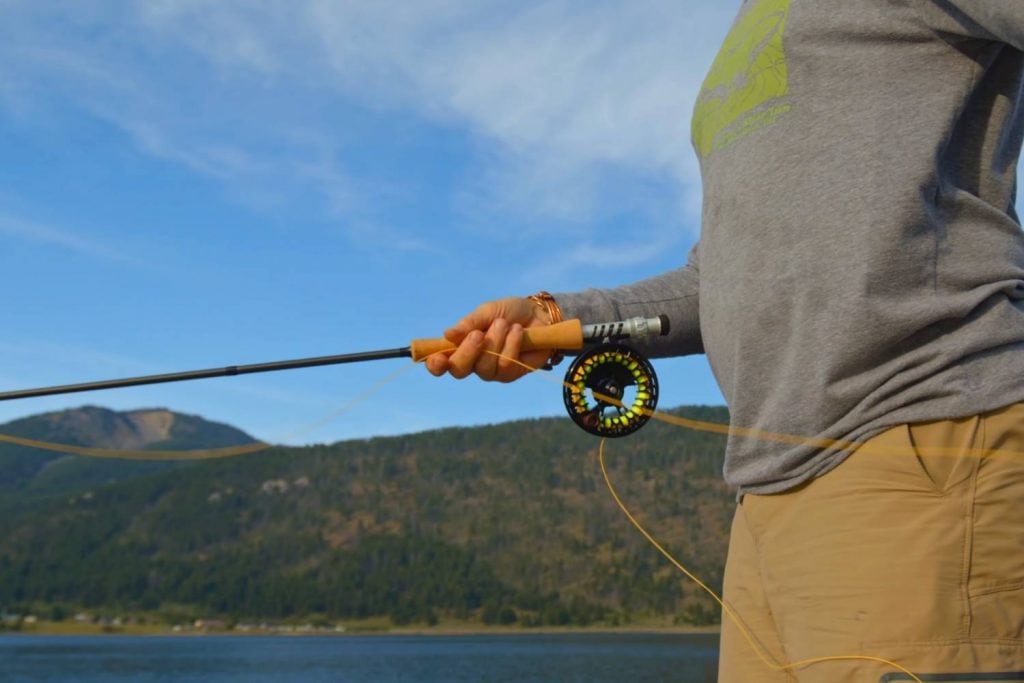
- Match the rod to the exact line configuration. Compact heads may be listed in grains as well as rod-weight ranges. Do not automatically overline a rod that already loads well with the chosen head.
- Use fewer false casts. Dense lines are easier to cast after the head is brought near the surface and redirected with a deliberate pickup or water-loaded cast.
- Shorten the leader when control matters. A very long leader can separate the fly from the line’s intended path. Leader length still has to suit clarity, fly weight and snag risk.
- Inspect the whole connection. Large streamers and dense heads put more force into knots, loops and leader material.
- Clean the line as directed for its coating. Dirt and damaged surfaces can change handling; avoid applying an unlisted treatment to a sinking coating.
For broader line selection by rod weight, water and presentation, use the Best Fly Line guide. If the job stays entirely on the surface, compare the dedicated floating-line guide instead.
Frequently asked questions
Is an intermediate line the same as a sink tip?
No. A full intermediate line sinks along its entire length. An intermediate-tip line has a slow-sinking front section paired with a floating body or running line. The tip version is generally easier to track, mend and pick up; the full intermediate version creates a more continuous subsurface path.
Should a river angler always choose a sink tip?
No, but a sink tip is often easier to manage in moving water because the floating section remains visible and mendable. A full-sinking line or compact head can fit deep, broad runs, while a floating line with a weighted fly may be better in shallow or snag-filled water.
Does a faster sink rate always fish deeper?
Not automatically. It descends faster under comparable conditions, but actual depth also depends on tip or head length, current, fly drag, countdown, casting angle and retrieve speed.
Which sinking line is most versatile?
For shallow-to-moderate subsurface work, a slow full intermediate or a long intermediate tip covers many presentations. For anglers who primarily fish streamers in rivers, a short Type 3 tip is often the more useful first specialist line. Deep stillwater fishing calls for a full-sinking or compact high-density system instead.
Can one sinking line cover every lake depth?
No single density holds every fly at every depth and retrieve speed. One line can cover a range by changing countdown and retrieve, but a shallow intermediate and a fast full-sink remain different tools.
Bottom line
Choose the presentation path first. Clear Camo Intermediate is the broad slow-sinking option; Ghost Tip 15 adds floating-body control; Streamer Sink Tip 10 T3 fits shallow river streamer lanes; Full Sinking Type 6 targets sustained depth; and Compact Sink Type 9 is the compact high-density choice. Match the exact configuration to the rod, then use countdown and retrieve—not the printed rate alone—to find the working depth.
