
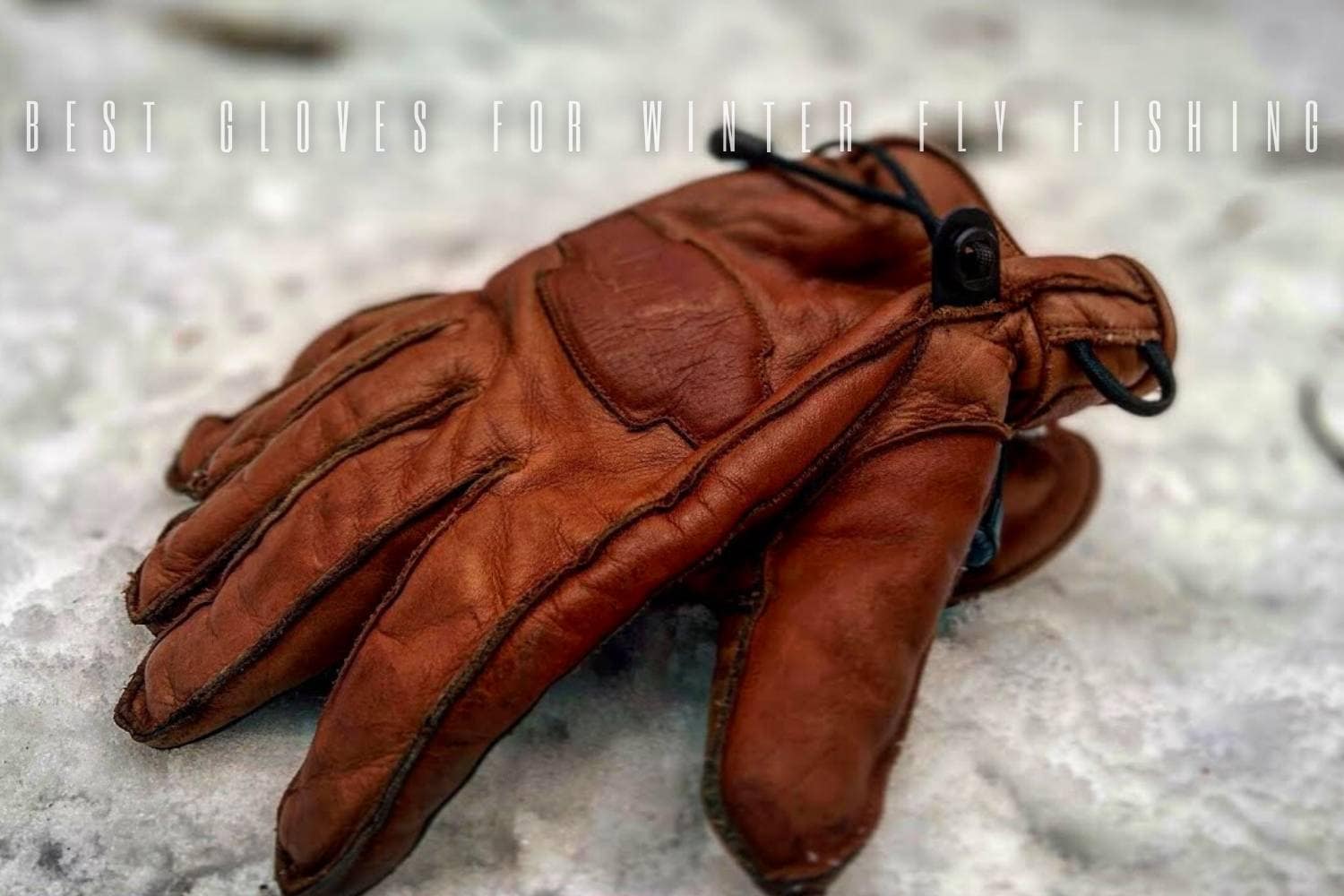
Winter fishing gloves solve a three-way problem: warmth, water management and enough hand control to cast, strip line and change a fly. No single glove maximizes all three.
A practical system often uses a warm waterproof glove for travel and waiting, then brief, deliberate exposure or a convertible mitt for fine work. Keep a dry spare pair sealed in your pack.
Quick answer
Best system: Choose insulated waterproof coverage for the coldest or wettest periods, and a convertible mitt when frequent line handling matters. Bring a dry backup and stop fishing if numbness makes knots, wading or fish handling unsafe.
Current models to compare
These four current products cover two design approaches. The Simms gloves are distinct models, not established successors to the earlier G4 glove.
| Product | Best starting job | Manufacturer-stated points | Buying boundary |
|---|---|---|---|
| Orvis Softshell Convertible Mittens | Milder cold and frequent rigging | Current convertible softshell design intended to preserve agility. | The same product name is still listed, but exact generation continuity is unresolved. |
| Orvis PRO Insulated Convertible Fishing Mitts | Colder conditions with convertible access | Current insulated convertible fishing-mitt design. | The name matches an earlier family, but the author did not test this exact current generation. |
| Simms x Sealskinz Baxter Glove | Cold, wet full-finger coverage | Waterproof/breathable construction with a moisture-transfer bonding system. | Distinct current model; not a G4 successor claim. |
| Simms X Sealskinz Rangeley Waterproof Glove | Waterproof glove with merino interior | Waterproof membrane between merino interior and durable outer layer. | Distinct current model; not a G4 successor claim. |
Model and lifecycle guide
Glove materials and waterproof constructions change frequently. A familiar brand is not enough to carry an old warmth or dexterity claim forward.
| Named product | Classification | What that means for readers |
|---|---|---|
| Simms G4 Gloves | Earlier model; current lifecycle unresolved | Do not apply its Gore-Tex XTRAFIT, wool or dexterity claims to the current Simms x Sealskinz gloves. |
| Orvis Softshell Convertible Mittens | Current name; exact generation unresolved | Use the exact current product page for specifications; earlier specifications apply only to the earlier generation. |
| Orvis PRO Insulated Convertible Mittens | Current name; exact generation unresolved | Use the exact current product page for insulation details; earlier specifications do not apply automatically. |
How to choose
Decide where warmth matters most
Full-finger gloves reduce exposed skin but can make knots and small flies harder to handle. Convertible mitts make fine work easier but expose fingertips when opened.
Plan for water, not just air temperature
Line, spray and fish handling wet gloves. A water-resistant shell is not the same as a waterproof membrane, and insulation loses value when saturated.
Test dexterity at home
With the gloves on, hold the rod, strip line, open a fly box and tie the knot you use most. If the system fails indoors, it will be worse in wind and cold.
Plan a dry rotation
Carry the spare pair in a sealed bag rather than loose beside wet tackle. When one pair becomes damp, swap before your hands become cold, then keep the wet pair separate. Cuffs also matter: test how the glove meets your jacket sleeve so runoff does not funnel inside. A small absorbent towel can reduce the amount of water transferred from a fish or line before you put a glove back on.
Watch your hands
If your hands become numb or your dexterity declines, stop fishing and warm up before handling hooks, wading or controlling a boat.
What the author experienced
The author described winter fishing but did not report owning any of these exact gloves.
- The author described winter trout and steelhead fishing as unenjoyable when hands get cold.
- The author did not report using the Simms G4 or either Orvis mitten, so no hands-on verdict applies to those models.
Questions anglers ask
Are fingerless gloves warm enough for winter fly fishing?
They can work in milder cold or for short rigging tasks, but exposed fingertips lose heat quickly. Convertible mitts provide a warmer fallback.
Should fishing gloves be waterproof?
If they will contact line, spray or fish, waterproof construction is valuable. Keep a dry spare because cuffs, seams and repeated immersion can still introduce moisture.
Can I tie knots in full-finger gloves?
Some anglers can with thin, grippy fingertips, but you should test your normal knots before relying on them in cold conditions.
Bottom line
Build a glove system rather than chasing one miracle pair: reliable coverage, controlled dexterity and a dry backup. Compare the current products by design and fit; none inherits a hands-on verdict from an earlier model.
