
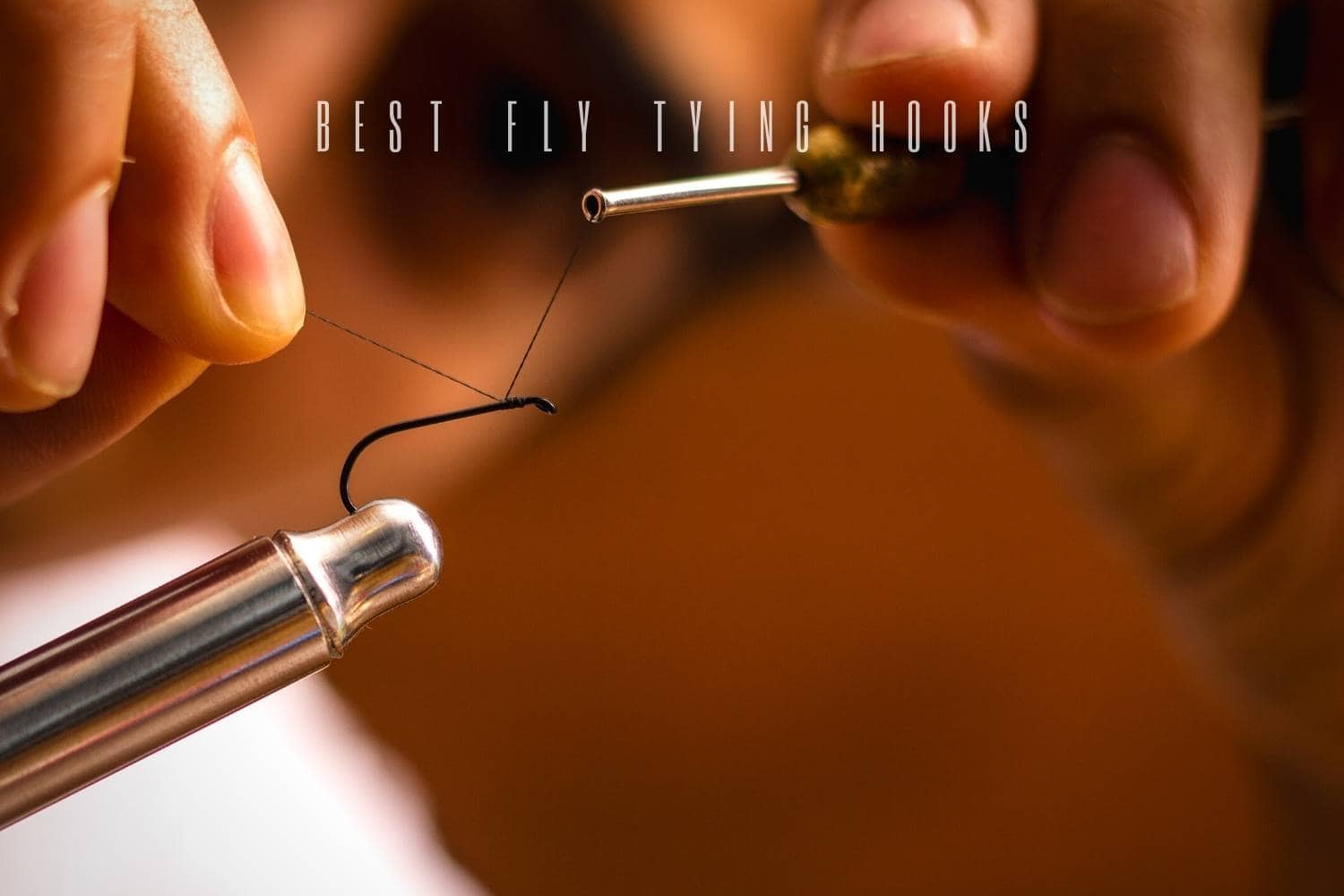
A hook is both a pattern component and a fishing connection. Length, gap, wire, bend, eye and point change how a fly ties and behaves. Printed size is only a label within a maker’s system, so compare real proportions rather than assuming equal numbers mean equal hooks.
Begin with a pattern recipe, identify the required hook style, check applicable fishing rules, and buy a small quantity when changing style or maker.
Selection framework
| Choice or job | What it should accomplish | What to check |
|---|---|---|
| Dry-fly style | Support the intended profile | Check wire and gap after materials |
| Nymph or wet style | Match body shape and sink plan | Check bend, length and wire |
| Curved style | Form compact scud or grub bodies | Keep the finished gap clear |
| Streamer style | Provide length where the pattern needs it | Check leverage and vise clearance |
| Saltwater style | Suit intended environment and fish | Match construction and inspect after use |
Read hook proportions
Shank length determines body room, gap affects clearance, and bend changes silhouette. Eye angle affects thread transition and leader connection. Wire diameter changes weight and strength as well as finished bulk. Compare hooks side by side and tie one sample before committing a full set of materials.
Treat size numbers cautiously
Numbering is useful within a defined style, not a universal physical measurement. Hooks sharing a printed size may differ in shank, gap and wire. Store them by full style and size, not number alone. When adapting a pattern, preserve proportions by checking the actual hook against the intended body.
Match configuration and rules
Use the configuration required by the water and method. Rules differ, so check the applicable regulation before fishing. A manufactured barbless form and an altered barb may not behave identically. Whatever the choice, inspect point and gap before tying; do not build a fly on a damaged hook.
Hold hooks without damage
Place enough of the bend in the jaws for secure contact while leaving the working area open. Do not clamp the point or crush fine wire. Test grip with modest pressure. Tiny hooks need light and tool clearance; heavy hooks may require jaws intended for their wire and shape.
Sort and dispose safely
Keep hooks in labeled closed containers and separate easily confused sizes. Protect them from moisture and loose chemicals. Count hooks into and out of travel kits so dropped points do not remain in carpet or clothing. Put damaged hooks in a rigid disposal container.
Article-era hook examples
Earlier sections named Eupheng Competition Fly Fishing Hooks, Mustad Signature Fly Round Bend Hook with Standard Wire, Mustad Classic O’Shaughnessy Stainless Steel Saltwater Long Shanked Fishing Hook, Maxcatch Barbless Fly Fishing Hooks with Mini Fly Box and Shaddock Classical Fly Hooks. The author also described more than fifteen years of tying and using numerous hooks. That general experience does not establish unchanged performance for later or similarly named packages.
Decision checklist
- Define the first two or three fly patterns and the range of work you will actually do.
- Measure the bench and set a comfortable hook height before selecting accessories.
- Test the component with the exact neighboring tools, materials or consumables it must work with.
- Prefer controllable and repeatable operation over maximum features, power or assortment.
- Inspect contact surfaces, moving parts and storage needs before a long session.
- When a problem repeats, change the one component or adjustment responsible for it.
Tie one reference fly before organizing a new hook style into the main bench inventory. Check body length, material clearance, finished gap and how the eye accepts the intended leader connection. Keeping that sample beside its label can make later substitutions easier to judge. If proportions are wrong, change the hook before adapting every other material to compensate.
Organize hook selection around pattern proportions, wire needs, point and eye configuration, and any rules that apply to the water you fish. Size numbers vary between designs, so compare the actual shank, gap, and overall form instead of relying on the label alone. Add a new style only when it fills a clear pattern or fishing requirement that the existing hook does not meet.
